
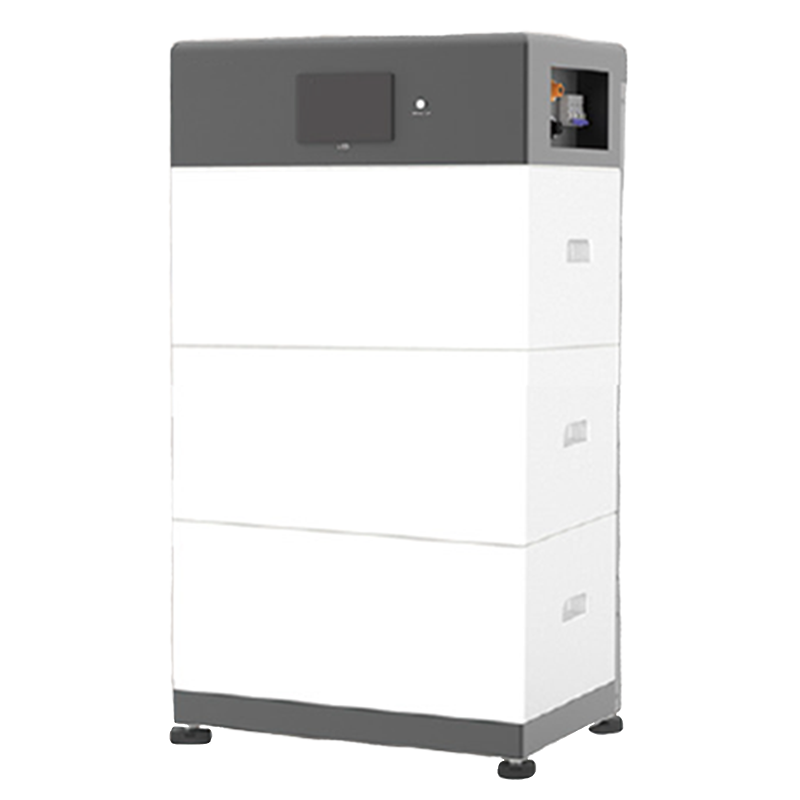
In the ongoing global quest for sustainable and efficient energy storage solutions, Heated Sand Energy Storage has emerged as a promising technology that could revolutionize the renewable energy sector. This cutting-edge method of storing thermal energy leverages the natural properties of sand to retain heat efficiently and economically. As energy demands continue to rise worldwide, innovations like these are crucial for advancing clean energy infrastructure and reducing carbon footprints.
Heated Sand Energy Storage (HSES) offers a novel approach to managing renewable energy supplies, particularly for solar and wind power systems. By utilizing sand as the primary storage medium, this technology harnesses sand’s excellent thermal conductivity and abundant availability to store surplus energy in the form of heat. When energy is demanded, the stored heat can be converted back into electricity or used directly for heating applications, ensuring a steady and reliable energy supply even when intermittent renewable sources are not generating power.
The principle behind Heated Sand Energy Storage involves heating sand to high temperatures using excess electricity generated during peak periods of renewable energy output. This thermal energy can be retained in specially designed insulated containers for extended periods due to sand’s low thermal diffusivity. When energy demand peaks or renewable generation dips, the stored heat can be extracted to produce electricity via conventional thermal power generation techniques or provide heat for industrial and residential use.
Yueqing Chushang Technology Co., Ltd., established in 2009, stands at the forefront of this groundbreaking solution. With over a decade of expertise in developing new energy technologies, the company has positioned itself as a leading high-tech enterprise dedicated to research, production, sales, and service of advanced energy storage products. Capitalizing on its strong background and innovative capabilities, Yueqing Chushang Technology has been instrumental in advancing Heated Sand Energy Storage to commercial viability.
The integration of Heated Sand Energy Storage systems holds significant promise for improving grid stability and promoting the wider adoption of renewable energy. One of the key challenges with solar and wind power is their intermittent nature—a factor that can cause fluctuations in supply and demand balance. By providing a dependable means to store surplus energy during optimal generation times, HSES mitigates the need to rely on fossil fuel-based backup power plants, thus contributing to a cleaner energy mix.
Moreover, the cost-effectiveness of Heated Sand Energy Storage makes it an appealing alternative to other thermal storage technologies like molten salts or lithium-ion batteries. Sand is an inexpensive, non-toxic, and widely available material that does not degrade significantly over multiple heating and cooling cycles. This durability translates into long operational lifespans for storage units and reduced maintenance costs, ensuring economic feasibility for large-scale deployment.
Yueqing Chushang Technology has dedicated substantial resources to optimizing the design and materials used in Heated Sand Energy Storage units to maximize energy retention and operational efficiency. Their research focuses on improving insulation techniques, enhancing heat exchange processes, and scaling up system capacity to meet varied industrial and commercial needs. Through collaborative projects and pilot programs, the company has demonstrated the adaptability and robustness of HSES technology in diverse environments.
The broad application potential for Heated Sand Energy Storage extends beyond electricity generation. Industries requiring process heat, such as manufacturing, agriculture, and chemical processing, stand to benefit from reliable access to stored thermal energy. Additionally, integrating HSES into district heating networks can reduce dependence on fossil fuels, enhance energy security, and lower greenhouse gas emissions at the community level.
Environmental sustainability remains a cornerstone of Yueqing Chushang Technology’s mission. By championing Heated Sand Energy Storage, the company contributes to global efforts aimed at reducing reliance on carbon-intensive energy sources and combatting climate change. Additionally, the scalability and modularity of HSES systems allow for tailored solutions that align with regional energy policies and infrastructure capabilities.
Looking forward, advancements in material science, thermal engineering, and system integration are expected to further enhance the performance of Heated Sand Energy Storage systems. Research and development initiatives spearheaded by trailblazers like Yueqing Chushang Technology are vital for overcoming technical challenges, driving down costs, and accelerating market adoption.
As governments and industries worldwide intensify their commitments to renewable energy targets, innovative storage technologies such as Heated Sand Energy Storage will play an indispensable role in the transition to a sustainable energy future. With its blend of efficiency, affordability, and environmental friendliness, this technology represents a significant step forward in energy storage innovation.
Yueqing Chushang Technology’s leadership in this field exemplifies the vital synergy between technological ingenuity and practical application. Their unwavering dedication to developing and commercializing Heated Sand Energy Storage solutions underscores the company’s vision of enabling a cleaner, more resilient energy landscape for generations to come.
In summary, Heated Sand Energy Storage emerges as a transformative technology that aligns with global sustainability goals by providing reliable, cost-effective, and eco-friendly energy storage. Backed by the expertise and innovation of Yueqing Chushang Technology Co., Ltd., this solution holds great promise for revolutionizing how we capture and utilize renewable energy. As it gains traction across markets, Heated Sand Energy Storage is poised to become a cornerstone of the modern clean energy ecosystem.