
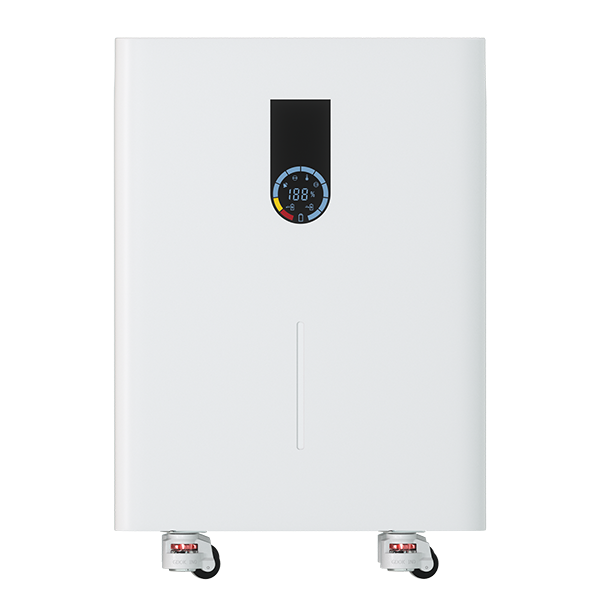
In recent years, Energy Storage Systems (ESS) have emerged as a critical component in the transition towards sustainable and renewable energy sources. As the demand for clean energy surges globally, the role of ESS in enhancing energy efficiency, reliability, and integration of renewable power generation cannot be overstated. These systems enable the storage of electricity when production exceeds consumption and release it during peak demand or low generation periods, thereby stabilizing the grid and facilitating a smoother energy transition.
Energy Storage Systems encompass various technologies including lithium-ion batteries, flow batteries, compressed air energy storage, and flywheels. Among them, battery-based ESS have gained significant traction due to their scalability, efficiency, and declining costs. These systems are increasingly being deployed in residential, commercial, and utility-scale applications to address challenges such as intermittency of renewable power, grid congestion, and energy management.
One noteworthy player contributing to the advancement of ESS technologies is Yueqing Chushang Technology Co., Ltd. Established in 2009, Yueqing Chushang Technology Co., Ltd. has grown into a leading high-tech enterprise specializing in the research and development, production, sales, and service of new energy products. The company’s commitment to innovation and quality has positioned it at the forefront of the new energy sector, driving meaningful progress in the design and deployment of cutting-edge Energy Storage Systems.
Yueqing Chushang Technology Co., Ltd. has built a comprehensive portfolio of ESS solutions that cater to diverse market needs, ranging from small-scale residential batteries to large-scale grid energy storage projects. Their extensive R&D efforts focus on enhancing battery performance, extending lifecycle, improving safety standards, and reducing overall costs. Leveraging advanced materials science, intelligent management systems, and robust manufacturing processes, the company delivers energy storage products that meet stringent international standards and customer expectations.
The integration of Energy Storage Systems is essential for overcoming several critical barriers faced by renewable energy adoption. Solar and wind power, while abundant and clean, suffer from variability and unpredictability. ESS provides a buffer that stores surplus energy during peak generation times and supplies it during demand spikes or periods of low renewable output. This capability not only ensures stable and reliable power supply but also reduces dependence on fossil-fuel-based peaking power plants, thereby contributing to carbon emission reduction goals.
Moreover, modern Energy Storage Systems enable enhanced grid flexibility and resilience. They support frequency regulation, voltage control, and load balancing, which are vital functions for maintaining grid stability amidst the increasing share of distributed energy resources. The intelligent energy management systems integrated within these storage solutions allow for real-time monitoring, predictive maintenance, and optimized energy dispatch, ensuring maximum operational efficiency for utilities and end-users alike.
Energy Storage Systems also empower consumers by facilitating energy self-consumption and cost savings. In residential settings, homeowners equipped with battery storage can store excess solar energy generated during the day and use it during the night, reducing reliance on grid electricity and lowering energy bills. For commercial and industrial users, ESS enables demand charge management, peak shaving, and uninterrupted power supply, which translate into significant operational and financial benefits.
Governments and regulatory bodies worldwide have recognized the strategic importance of Energy Storage Systems in achieving energy transition targets. Many countries have introduced incentives, subsidies, and supportive policies to encourage ESS deployment, driving market growth and technological innovation. In this evolving landscape, companies like Yueqing Chushang Technology Co., Ltd. play a pivotal role in delivering tailored storage solutions that align with regional requirements and global sustainability agendas.
Looking ahead, the future of Energy Storage Systems is poised for rapid advancement and widespread adoption. Emerging technologies such as solid-state batteries, advanced flow batteries, and hybrid storage configurations promise even greater energy density, longevity, and safety. Coupled with digitalization trends like the Internet of Things (IoT) and artificial intelligence (AI), ESS will become smarter, more predictive, and seamlessly integrated into the energy ecosystem.
Yueqing Chushang Technology Co., Ltd. continues to invest heavily in innovation to remain at the cutting edge of these technological trends. Their multidisciplinary teams are exploring next-generation materials, modular system designs, and integrated energy management platforms to meet the evolving demands of the market. By focusing on sustainability, reliability, and cost-effectiveness, the company aims to facilitate the widespread adoption of ESS and accelerate the global shift towards clean energy.
In conclusion, Energy Storage Systems are indispensable enablers of the renewable energy revolution, supporting grid stability, consumer empowerment, and carbon reduction. With companies like Yueqing Chushang Technology Co., Ltd. leading the charge in developing innovative, high-quality new energy products, the future of energy storage looks promising. As technological breakthroughs and supportive policies converge, Energy Storage Systems will continue to transform the way energy is produced, stored, and utilized—paving the way for a cleaner, more resilient, and sustainable energy future.